
Design Spaces That Evolve and Endure
Today we dive into repairable low-waste interiors, celebrating rooms that welcome mending, thoughtful upgrades, and circular choices. Expect practical strategies, heartfelt stories, and design insights that make renewal easier than disposal, help your budget breathe, and keep materials in use for far longer than a single style cycle or trend window.
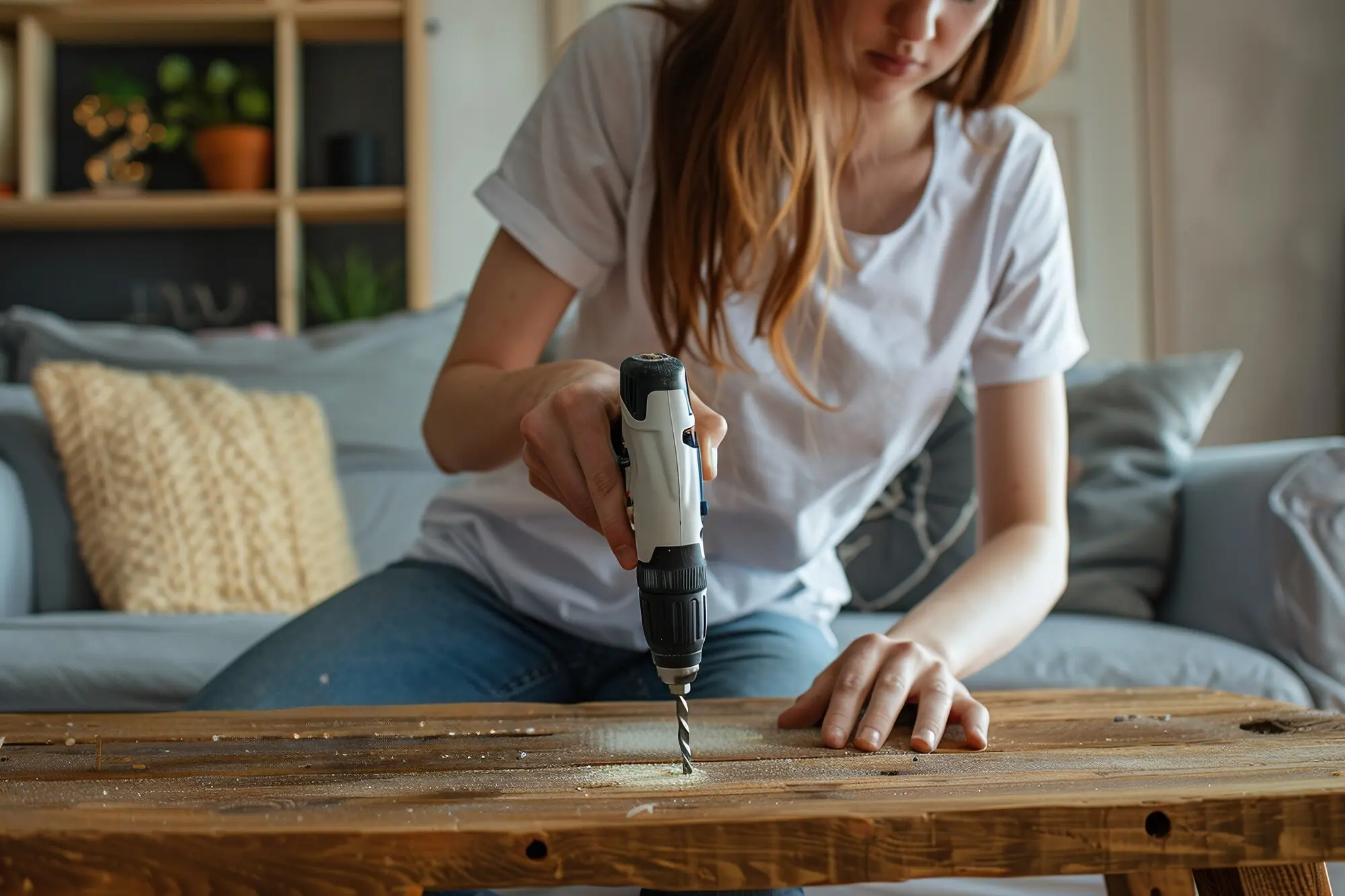

Start With What You Already Have
An Honest Inventory
Walk room by room with a notebook, noting what’s worn, what’s broken, and what simply needs love. Separate structural issues from cosmetic frustrations so you can prioritize repairs that extend life without chasing perfection. Include small wins, like touching up a scuffed baseboard, because every saved piece prevents another purchase and boosts quiet confidence to continue.
The Magic of Gentle Upgrades
Many interiors change dramatically with minimal intervention: a light sanding and oiling, a slipcover sized to a beloved chair, or a new gasket for a leaky faucet. Choose reversible moves first, preserving future options. You’ll discover that simple care can outshine big renovations, building a home that improves through attention rather than demolition or constant replacement.
Salvage As Storytelling
When you reclaim a door, refinish a drawer front, or rescue a cabinet pull, you keep materials in circulation and embed history into daily rituals. A neighbor’s discarded shelf becomes your dependable pantry hero. Embrace scuffs as narrative details, showcasing how thoughtful restoration can feel luxurious, personal, and refreshingly different from standardized, forgettable off-the-shelf choices.

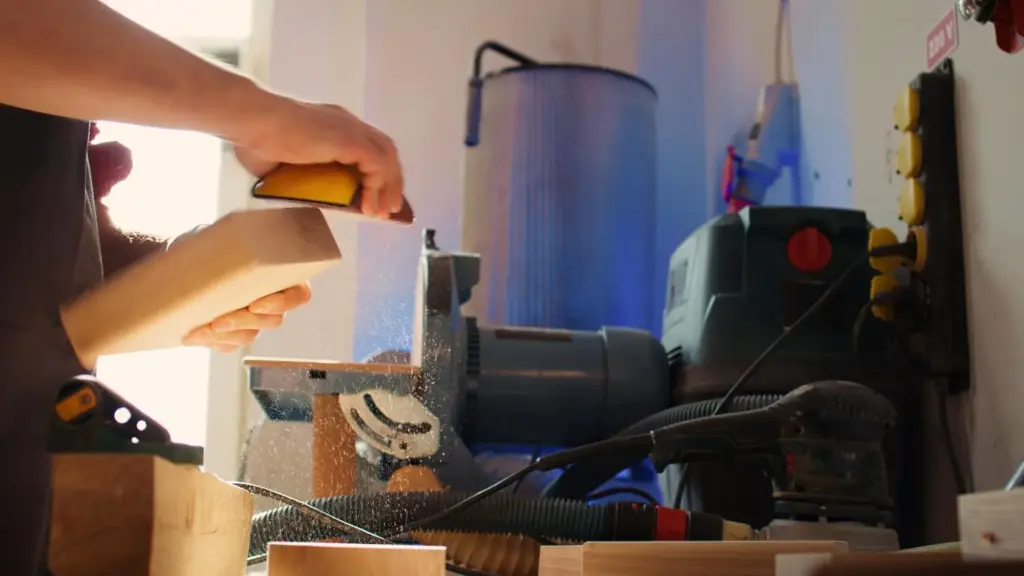
Design For Disassembly And Longevity
Plan finishes, furniture, and fixtures so they can be taken apart without destruction. Favor mechanical fasteners, modular parts, and layers that can be individually accessed. When a surface fails, you replace only what’s necessary, not the entire assembly. This simple principle transforms future repairs from stressful emergencies into routine, empowering maintenance moments you can actually anticipate.
Materials That Age Gracefully
Some surfaces invite repair rather than resist it. Choose woods that can be refinished, plasters that can be patched, and textiles that forgive everyday life. Favor finishes that accept spot fixes without telegraphing mistakes. When materials improve with care, you welcome patina, reduce frustration, and transform maintenance into a mindful ritual instead of a looming burden.
Furniture Built To Be Mended
Seek designs that show how they come apart, proudly displaying screws, dowels, and replaceable inserts. Cushion zippers, removable covers, and accessible frames make cleaning simple and rebuilding joyful. Instead of replacing a sofa, you refresh its skin or swap a tired seat core, preserving comfort, character, and valuable materials you’ve already welcomed into your home.
Daily Habits That Keep Waste Low
Repairable interiors thrive on small, consistent actions. A labeled bin of spare fasteners saves projects from stalling. Gentle cleaning protects finishes. Shared wisdom from neighbors accelerates learning. Celebrate every fix, from a re-waxed counter to a re-strung blind, and you’ll cultivate a culture of stewardship that feels grounding, optimistic, and proudly resource-savvy.
Create A Home Repair Station
Assemble a compact kit: multi-bit screwdriver, hex keys, pliers, painter’s tape, wood glue, patches, and spare bulbs. Add labeled jars for screws and felt pads. Keep instructions or QR codes handy. When tools live together near eye level, you remove friction, making repairs an easy impulse rather than a delayed, daunting production you keep postponing.
Maintenance As A Calendar Ritual
Schedule quick checkups: tighten dining chair bolts, oil cutting boards, vacuum coils, and inspect caulk lines. Pair these tasks with routines you already love, like weekend coffee. Small, rhythmic care prevents costly failures. Share your checklist with housemates, and track wins publicly on the fridge to encourage participation, accountability, and cheerful celebration of progress.
Share, Swap, And Learn
Join a local fix-it meetup or host a casual mending night. Trade surplus materials or tools with neighbors, building goodwill and resilience. Post questions and victories in community channels to spark dialogue. As practical knowledge spreads, previously intimidating repairs become friendly projects, and everyone sends fewer usable items to the curb or the bin.
Plan Renovations The Circular Way
Deconstruct, Don’t Demolish
Before swinging hammers, identify assemblies that can come apart intact. Protect edges, label parts, and stage materials safely for future use. Doors, trim, lighting, and cabinetry often survive gracefully with patience. Treat the site like a materials library, not a battleground, and you’ll preserve value while keeping dumpsters astonishingly lighter than you expected.
Specify Reuse And Take-Back
Write reuse instructions into scopes, naming which fixtures must be refitted, donated, or stored. Ask manufacturers about spare parts and return pathways for offcuts or worn components. This clarity removes guesswork, aligns teams, and ensures your future self has what’s needed to refresh spaces without panic buying or scrambling for incompatible substitutions later.
Measure What Matters
Track diverted materials, reclaimed components, and the longevity of new installations. Simple logs or photos help you learn from each project and inspire others to follow. Celebrate measurable improvements publicly, inviting readers to comment with their own metrics. Transparency turns individual choices into a shared roadmap for quieter footprints and sturdier, kinder homes.
All Rights Reserved.