Fix Together: Community Repair Hubs and Tool Libraries for Home Upkeep
Imagine weekends where neighbors gather to mend wobbly chairs, tune lawn mowers, and borrow exactly the right tool without buying another gadget. Community Repair Hubs and Tool Libraries for Home Upkeep spark generosity, cut costs, and keep useful items in circulation. Join in, share your skills, learn new ones, and help homes—and friendships—stay strong.
Start Where You Live

Before searching for expensive solutions, look around your block. A modest cart of shared tools and a friendly repair table can change daily life. These neighborly spaces reduce clutter, stretch budgets, and build confidence by turning small home problems into collaborative wins that everyone celebrates, remembers, and repeats.

Why Sharing Beats Buying

Borrowing the right drill or stud finder only when needed avoids impulse purchases and storage headaches. Shared inventories lower household expenses, encourage mindful consumption, and introduce neighbors who might otherwise never meet. The social glue formed over quick fixes often lasts far longer than any warranty card tucked in a drawer.

Small Wins Build Big Confidence

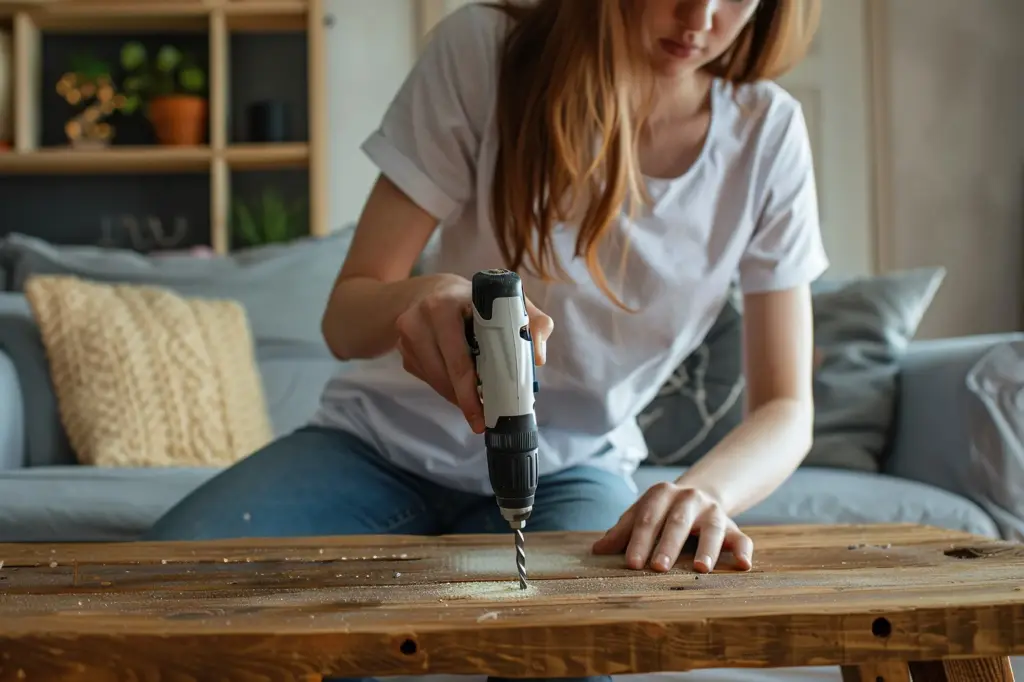
Repairing a loose hinge, reseating a wobbly table leg, or safely replacing a faucet cartridge teaches practical steps and demystifies tools. Successes stack quickly, strengthening pride and readiness for bigger projects. With mentors nearby, mistakes become lessons instead of disasters, and home maintenance feels friendly, possible, and surprisingly fun.

A Welcoming Culture

Clear signage, open tables, and patient hosts make newcomers comfortable from the first greeting. A posted code of kindness, inclusive language, and visible safety gear all signal belonging. People return when they feel respected, learn something tangible, and leave with a repaired treasure or a borrowed tool ready for action.

Find or Form a Local Hub

Some neighborhoods already host Repair Cafés, Tool Libraries, or Fix-It Clinics within community centers, churches, or libraries. If none exist, a pop-up event can test interest and prove momentum. Start small, survey needs, gather volunteers, and invite partners who share values around safety, affordability, and circular stewardship.

Run Smooth, Safe Operations

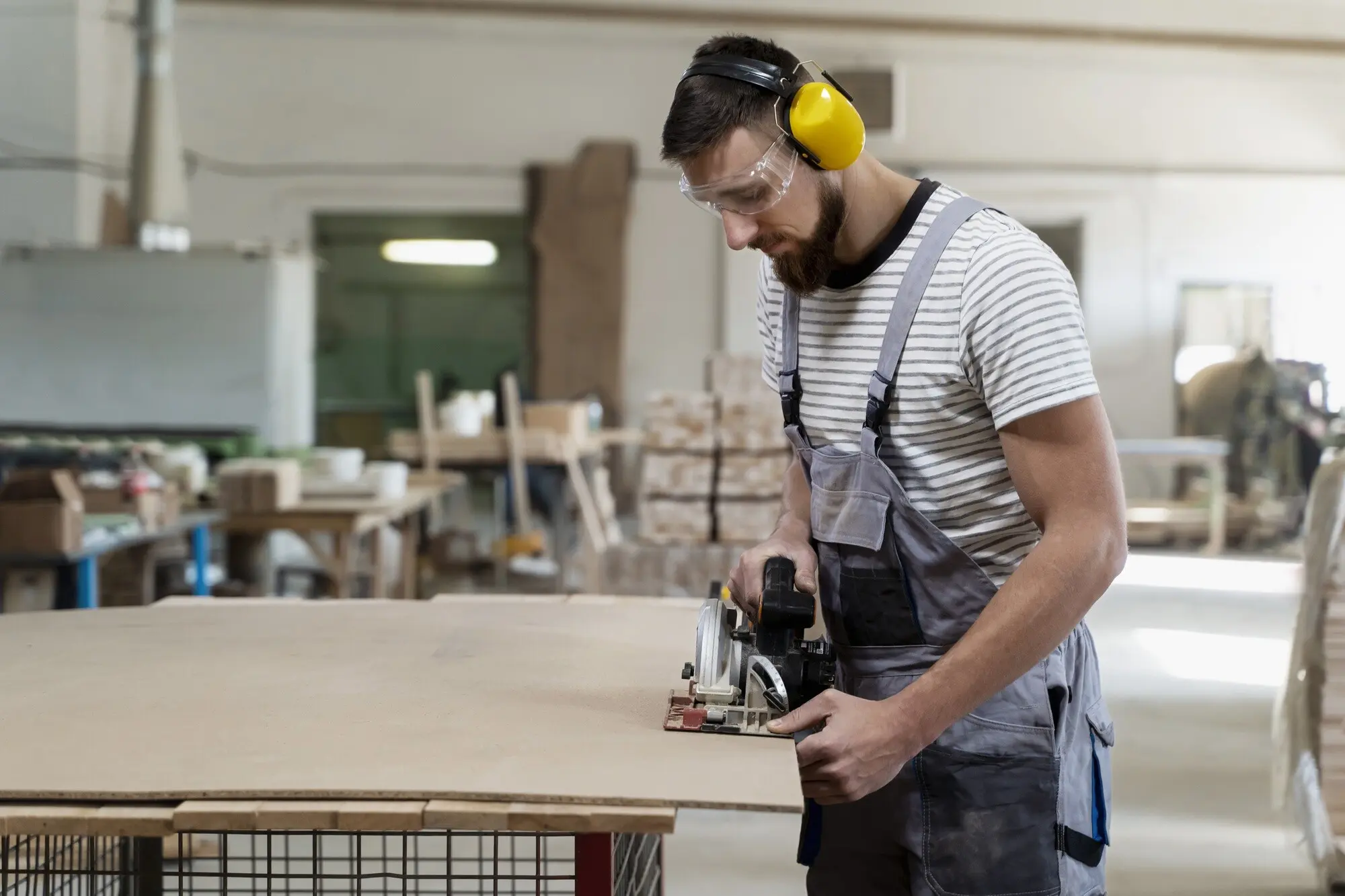
Consistency builds trust. Establish open hours, simple sign-in, and clear borrowing rules that respect both people and tools. Standard checklists for intake, triage, and returns reduce confusion. Post safety procedures everywhere, celebrate good habits, and make it easy to ask for help before risky steps begin.

Teach, Learn, Repeat

Repair culture thrives when knowledge flows both ways. Host confidence-building workshops led by retirees, tradespeople, and curious tinkerers. Offer translation, childcare, and snacks to widen access. Document how-tos with photos and short videos so people can revisit steps later, practice safely, and pass wisdom forward with pride.

Environmental Benefits, Plainly Stated

Every successful fix postpones manufacturing a replacement, saving raw materials, energy, and packaging. Shared tools multiply those savings by eliminating rarely used purchases. Together, these choices support circular economy goals and local climate plans while teaching practical stewardship that feels welcoming, hopeful, and immediately relevant inside ordinary kitchens, basements, and garages.

Household Savings That Add Up

Borrowing a ladder, stud finder, or carpet cleaner a few times a year frees funds for groceries, rent, or emergency cushions. Early repairs prevent cascading damage, like leaks becoming mold. Transparent membership options and fee waivers ensure access, aligning financial relief with dignity, fairness, and long-term neighborhood stability.

Resilience During Storms and Outages

When weather knocks out power or floods basements, a practiced network of neighbors can mobilize pumps, generators, and cleanup kits quickly. Shared skills reduce panic and downtime. Afterward, debriefs turn hard lessons into improved checklists and stronger bonds, preparing households for future surprises with calm, mutual aid, and courage.

Impact You Can Feel and Measure

Fewer broken items in the trash, more neighbors waving on the sidewalk, and money staying in household budgets are visible early wins. Track weight diverted from landfill, count repairs completed, and survey confidence levels. These numbers tell stories that attract grants, press attention, and continued volunteer enthusiasm.

Friendly Booking and Reminders

Offer a web or kiosk calendar showing tool availability, pickup windows, and suggested project durations. Automatic texts or emails nudge returns and collect feedback photos. People appreciate clarity, and staff appreciate fewer surprises, cleaner shelves, and predictable flows that leave more energy for coaching, outreach, and creative community experiments.

Measure What Matters

Track more than counts: gather stories about avoided purchases, repaired heirlooms, and first-time achievements. Pair numbers with quotes to humanize impact. Publish brief, friendly reports that celebrate volunteers, invite suggestions, and help funders see exactly how a tiny room of tools becomes a neighborhood engine of care.

Invite Participation, Often and Warmly

Close every event with a genuine ask: return to help, bring a friend, join inventory night, or answer a survey. Welcome feedback at the door and online. Regular newsletters, humble gratitude, and clear on-ramps transform visitors into co-stewards who keep the lights on and the laughter flowing.

Pirakavilaxidaxifarifexo
Privacy Overview

This website uses cookies so that we can provide you with the best user experience possible. Cookie information is stored in your browser and performs functions such as recognising you when you return to our website and helping our team to understand which sections of the website you find most interesting and useful.