



Imagine a renovation where panels, cabinets, and flooring lift out intact, ready for another home or a neighborhood materials exchange. Fewer dumpsters, calmer streets, and lighter carbon footprints become normal. By choosing modular assemblies and reversible fixings, everyday households directly slow resource extraction, protect ecosystems, and transform routine maintenance into a small but certain climate action.

When components disassemble, hidden cavities are easier to inspect, clean, and upgrade. Moisture problems get addressed before mold spreads. Dust containment improves because parts detach in controlled steps, not violent demolition. Selecting low-toxicity finishes and mechanical fasteners also limits off-gassing concerns, helping households breathe easier while keeping options open for future improvements without messy, disruptive tear-outs.

Reusability is a bank account you do not see until moving day, a growing family, or a sudden repair. Resalable appliances on slide-out rails, demountable partitions, and clip-in flooring retain value and reduce labor. Instead of starting from scratch, you rearrange, resell, or lend, turning sunk costs into circulating assets within your own home and community.
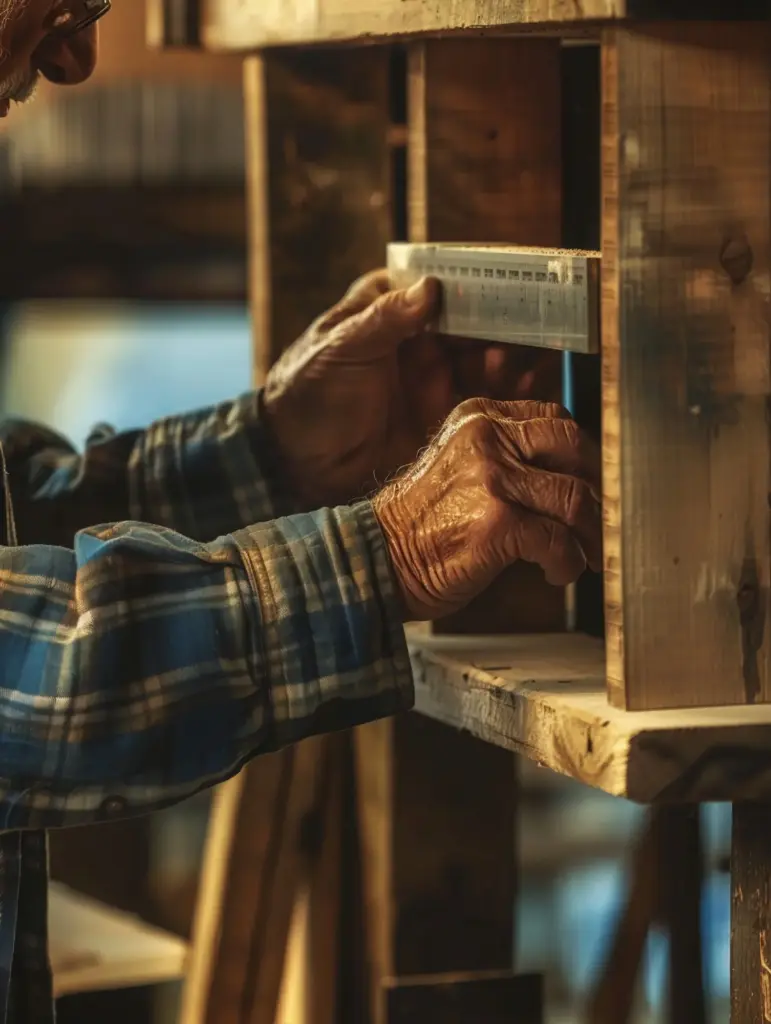
Screws, bolts, cam locks, and click-fit profiles are your allies. They hold firmly, yet undo predictably without ripping fibers or splintering edges. Specify standardized hardware sizes, label locations, and leave tool clearance. Clear access panels, sliding brackets, and keyed connectors prevent guesswork during upgrades, empowering confident DIYers and professionals to separate layers with minimal effort and maximum material recovery.
Permanent glues often sabotage future changes, trapping value in sticky compromises. When sealing is necessary, select gaskets, tapes, or reversible mastics compatible with your materials and climate. Test removability and specify maintenance intervals. Edge-banding choices, peelable films, and mechanical clamps can provide clean lines and durability without locking you into destructive removal, dust storms, or surprise substrate damage.
Choose coatings and laminates that resist chipping during unfastening, and consider natural oils or hardwax finishes that can be spot-repaired after relocation. Look for products with documented abrasion resistance and low emissions. Prioritize surfaces that accept gentle cleaning after each disassembly cycle, preserving appearance, improving hygiene, and extending lifespans across new rooms, owners, or evolving household routines.
Swap fixed shelves for adjustable standards, add service access panels behind sinks, and convert a glued skirting into a snap-off profile. Photograph everything. Label bags of screws by location. Celebrate your progress by posting before-and-after steps, inviting questions, and inspiring friends who quietly dread renovations because they only know noise, rubble, and headaches rather than calm evolution.
Browse salvage yards, online exchanges, and take-back programs for panels, fixtures, and rails designed to be separated cleanly. Choose suppliers offering parts catalogs and refurbishment services. Ask about previous lifecycles and repairability. When materials carry stories—and spare pieces—your project gains soul and resilience, while emissions shrink and your budget stays friendly enough to invite bolder, creative experiments.
Tell us what you are planning next and where disassembly could ease stress in your home. Comment with photos, questions, or supplier tips. Subscribe for monthly case studies, downloadable checklists, and community workshops. Together we can normalize interiors that adapt gracefully, protect health, and return value, turning every change into a hopeful, local, circular celebration.
All Rights Reserved.